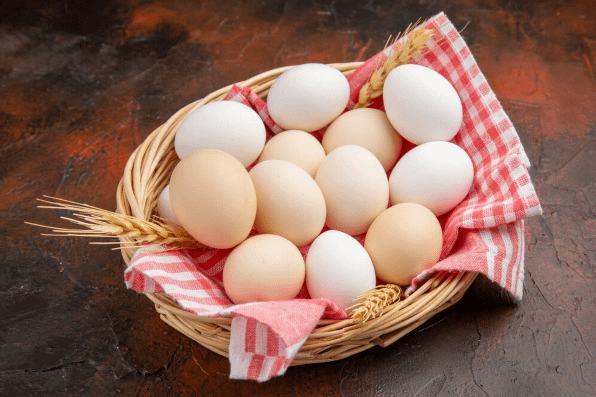
Eggs are naturally rich in vitamin B2 (riboflavin), vitamin B12, vitamin D, selenium and iodine. They also contain vitamin A and a number of other B vitamins including folate, biotin, pantothenic acid, and choline, and other essential minerals and trace elements, including phosphorus.
| Egg White | Whole Egg |
Calories | 18 | 71 |
Protein | 4 grams | 6 grams |
Fat | 0 grams | 5 grams |
Cholesterol | 0 grams | 186 mg |
Vitamin A | 0% | 27% |
Vitamin B12 | 0% | 19% |
Vitamin B2 | 11% | 18% |
Vitamin B5 | 1% | 15% |
Vitamin D | 0% | 19% |
Choline | 0% | 27% |
Selenium | 8% | 27% |
Egg whites are the clear, thick liquid that surrounds the bright yellow yolk of an egg. In a fertilized egg, they act as a protective layer to defend a growing chicken from harmful bacteria. They also provide some nutrients for its growth. Egg whites are made up of around 90% water and 10% protein. So if you remove the yolk and choose just the egg white, the nutritional value of your egg changes considerably.
Cholesterol In Eggs Is
Study shows eggs are not at all harmful for cholesterol as per the American heart Association.
But egg yolks are also known for their cholesterol. A typical large egg contains 186 mg of cholesterol, more than half the amount previously recommended for daily consumption. We are probably more embracing of eggs within a heart-healthy dietary pattern than we were 20 years ago, but it’s still a source of dietary cholesterol,” said Jo Ann Carson, professor of clinical nutrition at UT Southwestern Medical Center in Dallas. “Eating an egg a day as a part of a healthy diet for healthy individuals is a reasonable thing to do.”
Reference Link – https://www.heart.org/en/news/2018/08/15/are-eggs-good-for-you-or-not
The colour and firmness of the egg
Hens eggs at Pasteurizing eggs involves submerging eggs in warm water baths that are carefully time and temperature-controlled. This process destroys any bacteria that may be present without cooking the eggs. No matter what process is used for egg pasteurization, it must be approved by the United States Food and Drug Administration (FDA). This means pasteurized eggs are safer in recipes that call for uncooked or partially cooked eggs.
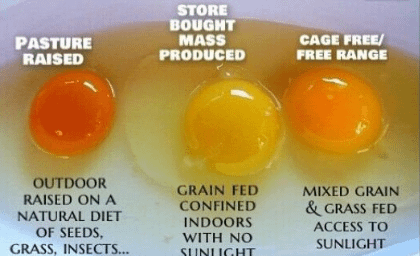
The orange color is due to the compound called Carotenoids. Carotenoids are anti-oxidants, and this compound gives the egg yolk an orange color. This class of nutrients is found mainly in pasture feeds.
Pasteurized Eggs vs Unpasteurized
The difference between pasteurized eggs and unpasteurized is that pasteurized eggs are heat-treated to kill harmful bacteria. Unpasteurized eggs are not heat treated and can still hold this bacteria, such as Salmonella. This makes pasteurized eggs safer to consume than unpasteurized eggs, especially for vulnerable groups such as children, pregnant people, and the elderly.
Difference between Organic eggs and Pasteurized eggs?
Organic eggs come from chickens that are raised on a diet that’s free from pesticides, synthetic fertilizers, hormones, and antibiotics. Therefore, “organic” only refers to what the hen has consumed, not if the eggs are heat-treated for pasteurization. To know if your organic eggs in their shell are pasteurized, check the carton. Otherwise, any organic egg products must follow the USDA standard for all egg products being pasteurized.
Egg yolk’s colour is recognized as beneficial for health
Dark orange color, however, is very tough to get. They are super-expensive, plus their availability is very limited.
Please note because people are willing to pay a premium for orange yolks, companies have started to add synthetics and other coloring agents in the feeds of a hen so that the color of the yolk comes out to be orange!
Nothing to be worried about..
A fool-proof method to procure a superior egg is to just look at the label. As you can see in the picture above -the keyword on Stueve Organic eggs is ‘Pasture-Raised.’
Pasture-raised eggs are nutritionally superior to cage-free/free-range eggs and should be preferred. In one egg-testing project by Mother Earth News in 2007, it was concluded that pasture-raised hens contain,
-1/3 less cholesterol
-1/4 less saturated fat
-2/3 more vitamin A
-2 times more omega-3 fatty acids
-3 times more vitamin E
-7 times more beta carotene
To find pastured producers near you, check out your local sources.
What is the difference between white-shell and brown-shell eggs?
This just depends on the breed of hens. For example, hens that lay brown eggs are larger in size and need to be fed more; therefore, you will find brown eggs to be more expensive than white eggs!
How You Cook Your Egg
Pasture-raised eggs are rich in dietary cholesterol Too much cooking or boiling, you oxidizes the cholesterol in our blood, which leads to an increase in the scope of heart disease. When we do scramble eggs the combination of egg white and egg yolk under the heat, oxidizes the cholesterol.
The Best Options Are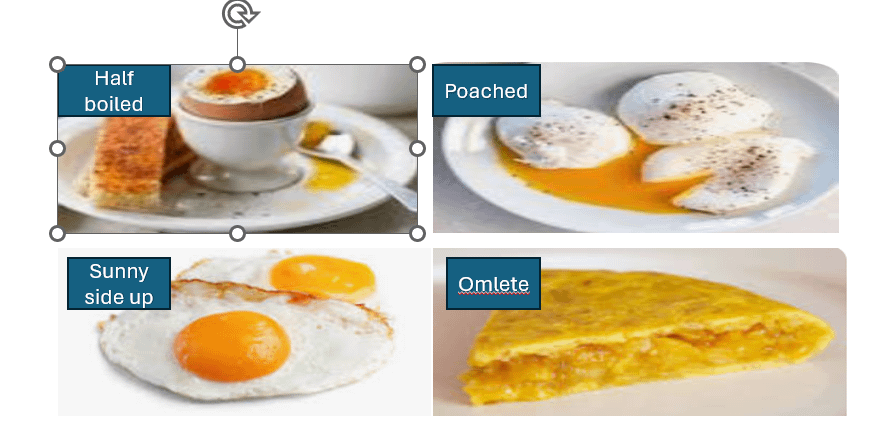
Half boiled,-Poached,-Sunny Side Up eggs,-Omelette (slightly under-cooked)
Please let me know how you like to eat eggs.